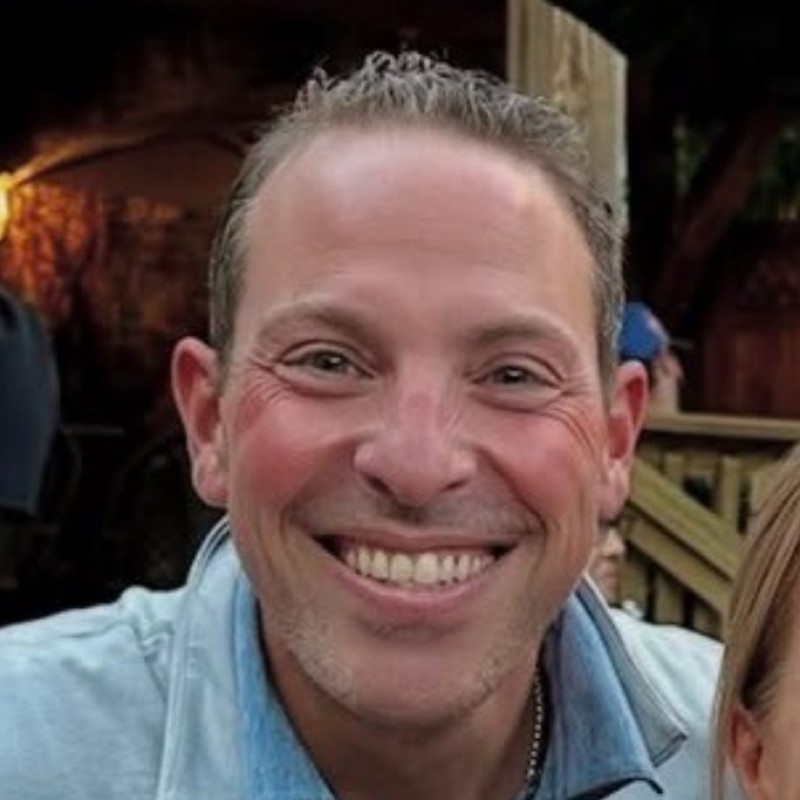
Clinical Advisory Board Interview Series · Interview by Dr. Natalie Marks
Dr. Garret Pachtinger is a board-certified veterinary emergency and critical care specialist (DACVECC) and co-founder of VETgirl, one of the most widely used continuing education platforms in veterinary medicine. He is also a teacher at his core - someone who has shaped how thousands of clinicians think about stabilizing a crashing patient when seconds matter. He is a founding member of the OpenVet Clinical Advisory Board - the panel of board-certified specialists that provides direct medical oversight of OpenVet’s AI platform across oncology, neurology, internal medicine, emergency and critical care, radiation oncology, and general practice. I asked him five questions. Here is what he said.
1. What’s a clinical moment early in your career that still shapes how you practice today?
Early in my ER career, I treated a crashing dog where we chased numbers instead of stepping back to ask what was actually killing the patient. We lost him, and it stuck. Since then, I prioritize first principles thinking. Stabilize what matters most, question assumptions, and keep diagnostics purposeful, not performative. It also shaped how I lead teams. Slow down just enough to think clearly when everything feels fast.
2. Is there one patient, one specific animal, that changed how you think about what you do?
A young dog with IMHA that initially responded, then suddenly crashed overnight. We had done everything right on paper, but it wasn’t enough. That case forced me to respect how dynamic and unforgiving critical illness can be, and to communicate that reality more honestly with pet owners. It changed how I practice. Be aggressive when it matters, but stay humble, reassess constantly, and never let early improvement lull you into complacency.
3. In your specialty, what’s a case type that keeps general practitioners up at night, and what do you wish they knew?
Uncontrolled hemorrhage is one that keeps people up at night. It feels chaotic, fast, and unforgiving. What I wish GPs knew is that it’s more algorithm than panic. Control what you can control first. Stop the bleeding if possible, restore circulating volume, and don’t be afraid to use blood products early. You don’t need a perfect diagnosis to act. Stabilization buys you time, and time is everything in these cases.
4. Some people say veterinarians should just use general-purpose AI like ChatGPT. What’s your response?
That’s a bit like saying a general medical reference book is all you need for veterinary medicine in all cases. General AI like ChatGPT or Claude is powerful, but it is not built specifically for the nuances, liability, and real-time clinical decision making in veterinary medicine. General-purpose AI does not often have guardrails and checks and balances to ensure results are accurate. In high stakes cases, context matters. Species differences, drug dosing, and workflow integration are not optional details. For medical knowledge, it is strongly recommended to rely on domain specific tools for depth, safety, and clinical trust.
5. If you could send a message to every veterinarian in the country about the next decade of this profession, what would you say?
The next decade is going to move fast. Faster than most of us are comfortable with. AI, consolidation, workforce pressure, and rising client expectations are not coming, they are already here. The veterinarians who win are not the ones who fight it. They are the ones who adapt early, stay clinically sharp, and learn how to leverage new tools without losing their judgment. Protect your standards, protect your team, and do not outsource your thinking. Technology should make you better, not replace you. If you stay curious and a little uncomfortable, you will be exactly where you need to be.
About the OpenVet Clinical Advisory Board
Led by Chief Veterinary Officer Dr. Natalie Marks, the OpenVet Clinical Advisory Board is the panel of board-certified veterinary specialists that provides direct medical oversight of OpenVet’s AI platform. The board spans oncology, neurology, internal medicine, emergency and critical care, radiation oncology, and general practice - and exists so that every clinical recommendation surfaced by OpenVet is species-aware, evidence-based, and clinically verifiable.
Dr. Pachtinger guides OpenVet’s emergency decision-support modules, ensuring the platform performs where the stakes are highest - in trauma, critical care, and rapid-response workflows. His expertise shapes how OpenVet reasons about triage, stabilization protocols, and time-sensitive clinical decisions - so the tools we build meet the clinical bar of a practicing, board-certified emergency and critical care specialist.
One of an ongoing series of conversations with members of the OpenVet Clinical Advisory Board.